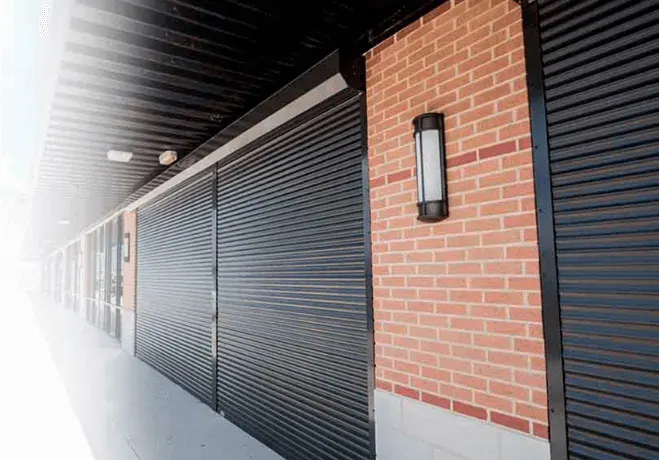
Motorized Roll Down Hurricane Shutters for Storm Protection, Security & Peace of Mind
Treaty Oak Shade Company installs motorized roll-down hurricane shutters across Austin and the Hill Country, delivering all-metal storm protection and security for high-value residential properties. Our team integrates SomfyPro motors with Lutron smart home systems, backed by a 4.9-star rating from 49 reviews and direct collaboration with builders, architects, and designers.
- 5.0 · Google reviews
- SomfyPro Certified
- Lutron Platinum Dealer
- BBB A+
What our clients say.
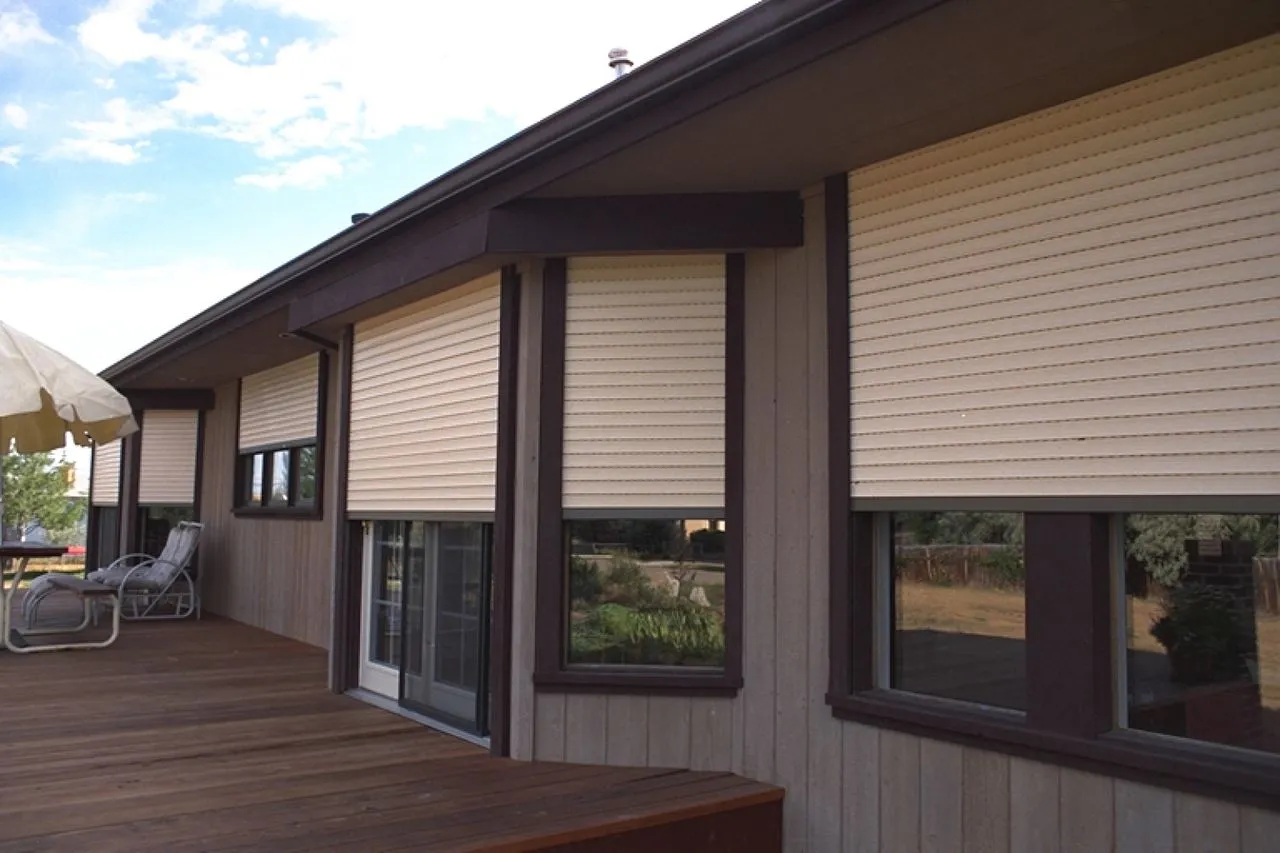
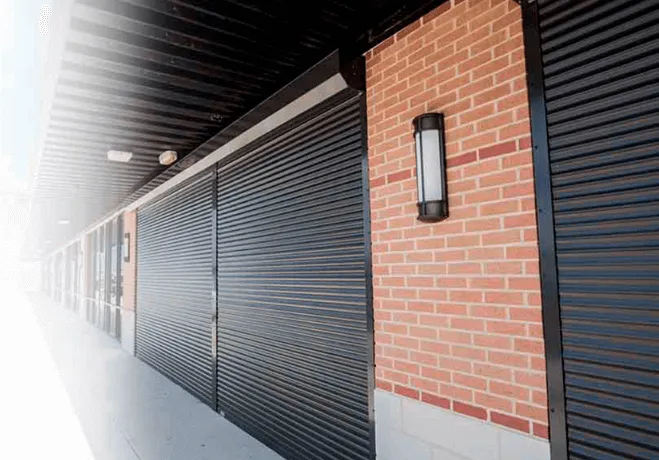
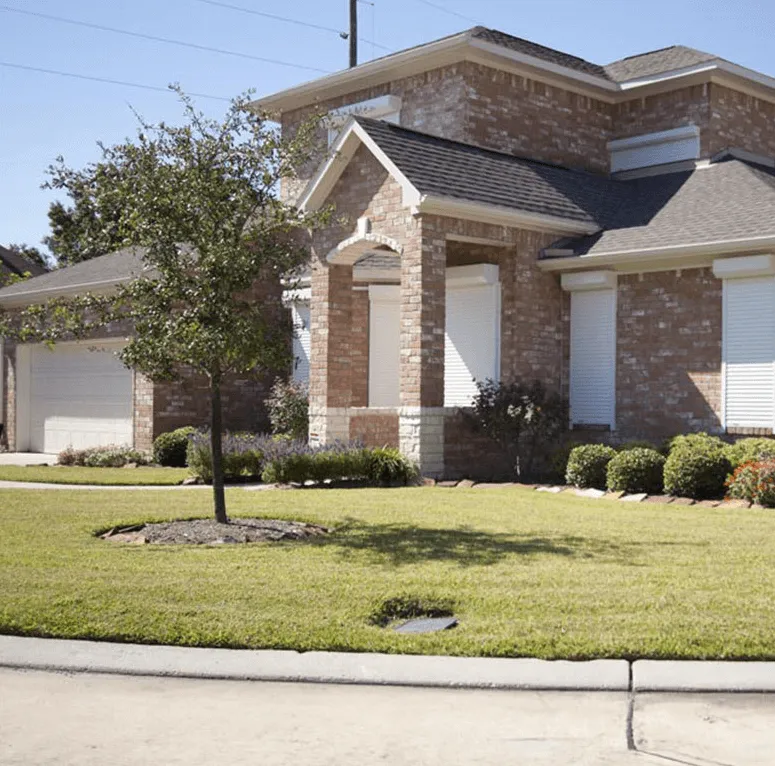
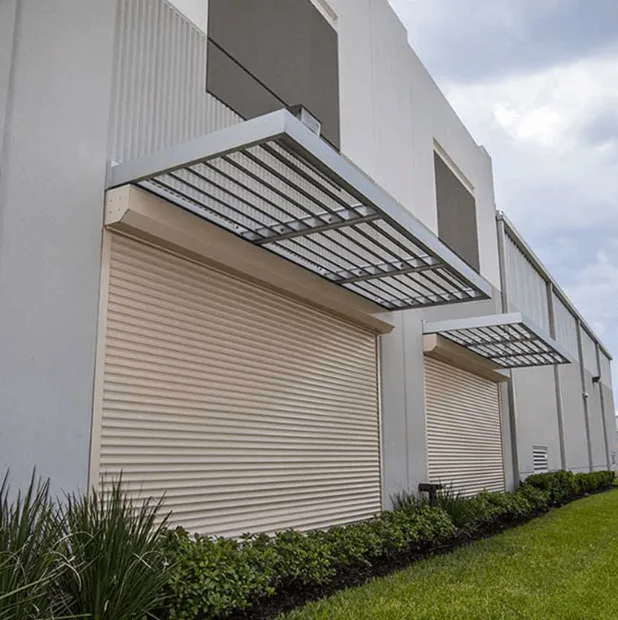
Hurricane Screen Solutions for Storm Protection
Storm protection depends on the exact shutter or screen system’s tested rating, retention, anchoring and installation. Ask for the product documentation for your opening rather than assuming a tracked shade or standard screen provides hurricane or impact protection.
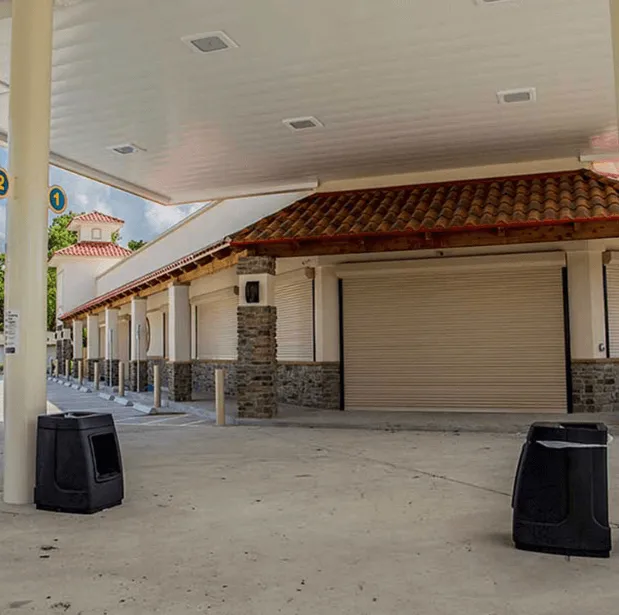
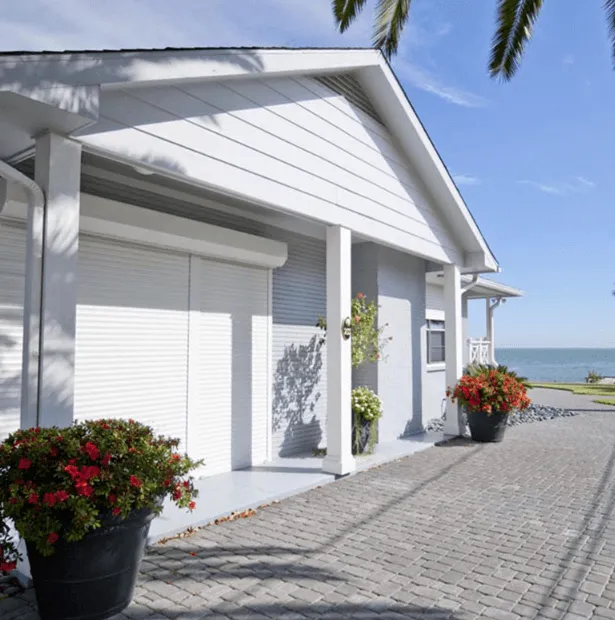
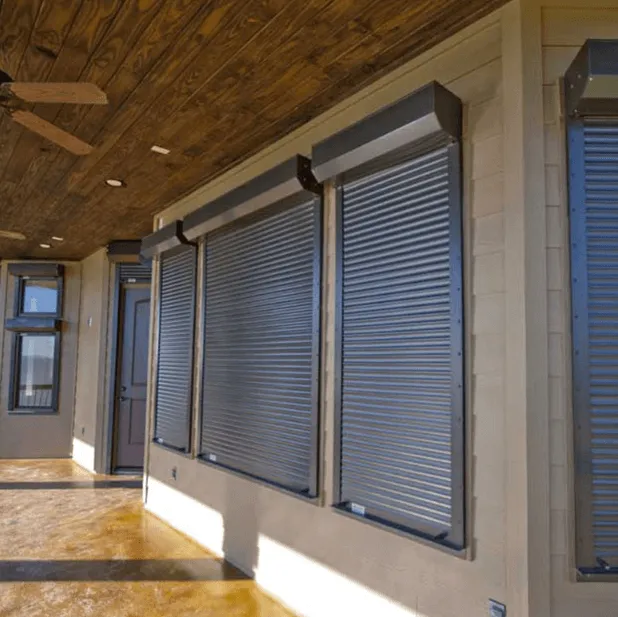
Roll-down hurricane shutters are intended for openings where documented storm protection is the priority, while standard exterior shades address sun, glare and insects. For each opening, the proposal should identify the tested product, design-pressure or impact rating where applicable, mounting requirements and controls. Compare that documentation and installed scope when reviewing cost.
Stan came to us frustrated after watching his outdoor furniture take damage during a spring storm while his manual screens sat rolled up in their housings. We installed motorized hurricane screens with wind sensor integration across his Lakeway patio openings. The screens deployed automatically during the next severe weather event, and the furniture underneath stayed dry and intact.
How do Automated Screens React to Incoming Storms?
Motorized hurricane screens only improve readiness when the retention system, fabric rating, and anchoring schedule match the actual wind loads and span dimensions of the opening, not when automation is added to an under-specified shade product.
What Motorized Storm Protection Actually Changes
- Automated Wind Response: Use compatible controls according to the selected system’s documented storm-response sequence.
- Remote Storm Prep: Deploy protection from anywhere via app.
- Furniture and Fixture Protection: Screens block wind-driven rain and debris.
- Dual-Purpose Daily Use: Shade and storm protection in one.
Core Features That Shape Everyday Use
Jamey came to us anxious after a previous contractor took payment and disappeared mid-project. We coordinated Tristan and Roberto to complete the motorized screen installation with proper track alignment and limit programming. Kari arrived uncertain about integrating new screens with existing outdoor finishes. The team delivered plumb installations that operated smoothly from day one, and both clients found that attention to substrate evaluation and tensioning made the difference between a screen that works and one that binds under load.
01 Motorized Hurricane Screen Systems
Our trained installation teams deliver SomfyPro motor integration that responds to wind sensors and manual override commands, using torque-rated tubular motors calibrated for the span and fabric weight of each opening.
02 Zipper Retention Track Installation
We install keder-edge retention systems that lock fabric into aluminum side tracks under cyclic pressure loads, preventing blowout during straight-line winds common across Travis County and surrounding Hill Country communities.
03 Fabric Selection and UV Performance
Our experienced specification teams match PVC-coated polyester or aramid-reinforced fabrics to exposure conditions, balancing impact resistance with openness factor to preserve views while blocking windborne debris and reducing solar heat gain.
04 Smart Home Control Integration
We configure Lutron and Control4 scene programming that auto-deploys screens when anemometers detect threshold wind speeds, while preserving manual crank override for power outages during severe weather events across the Austin area.
05 Structural Anchoring and Load Transfer
Our certified contractors evaluate mounting substrates and specify stainless steel fastener schedules that transfer uplift and shear forces into masonry, steel, or wood framing without compromising architectural finishes or HOA aesthetic guidelines.
06Commissioning and Limit Programming
We program upper and lower limit switches to position the hem bar into sealed bottom stops, then test obstruction detection under simulated load conditions to verify safe operation before homeowners take control of the system.
Questions That Clarify
Installation, Use, and Maintenance
Most installation questions focus on motor brand or slat profile, but the system’s actual storm performance depends on anchor embedment, end-retention engineering, and whether the installer ran a site-specific wind-load calculation before specifying hardware. The maintenance that prevents failure is the maintenance nobody schedules until something stops working.
How do engineers verify that a motorized roll down shutter will resist the design pressure for an Austin home?
Practitioners calculate design pressure using ASCE 7 exposure categories, then match shutter DP ratings to those values. They confirm compliance with ASTM E1886 cyclic pressure tests and record Miami Dade NOA approvals for permit submission.
What mounting details most influence the long term performance of exterior coiling shutters?
Experts select hurricane rated fasteners, embed anchors to prescribed depths, and align tracks with laser plumb tools. They seal hood flashings with EPDM weather strips and verify that mounting method—face or reveal—matches the substrate material.
Which maintenance actions prevent motor stall after a severe storm?
Annual service includes cleaning guide channels, lubricating nylon bearings, and recalibrating limit switches. After any high wind event, technicians run a full cycle, inspect the bottom bar seal, and test manual override to ensure uninterrupted operation.
Learn More About
Roll-Down Hurricane Screens
Manufacturing & Hardware Specs
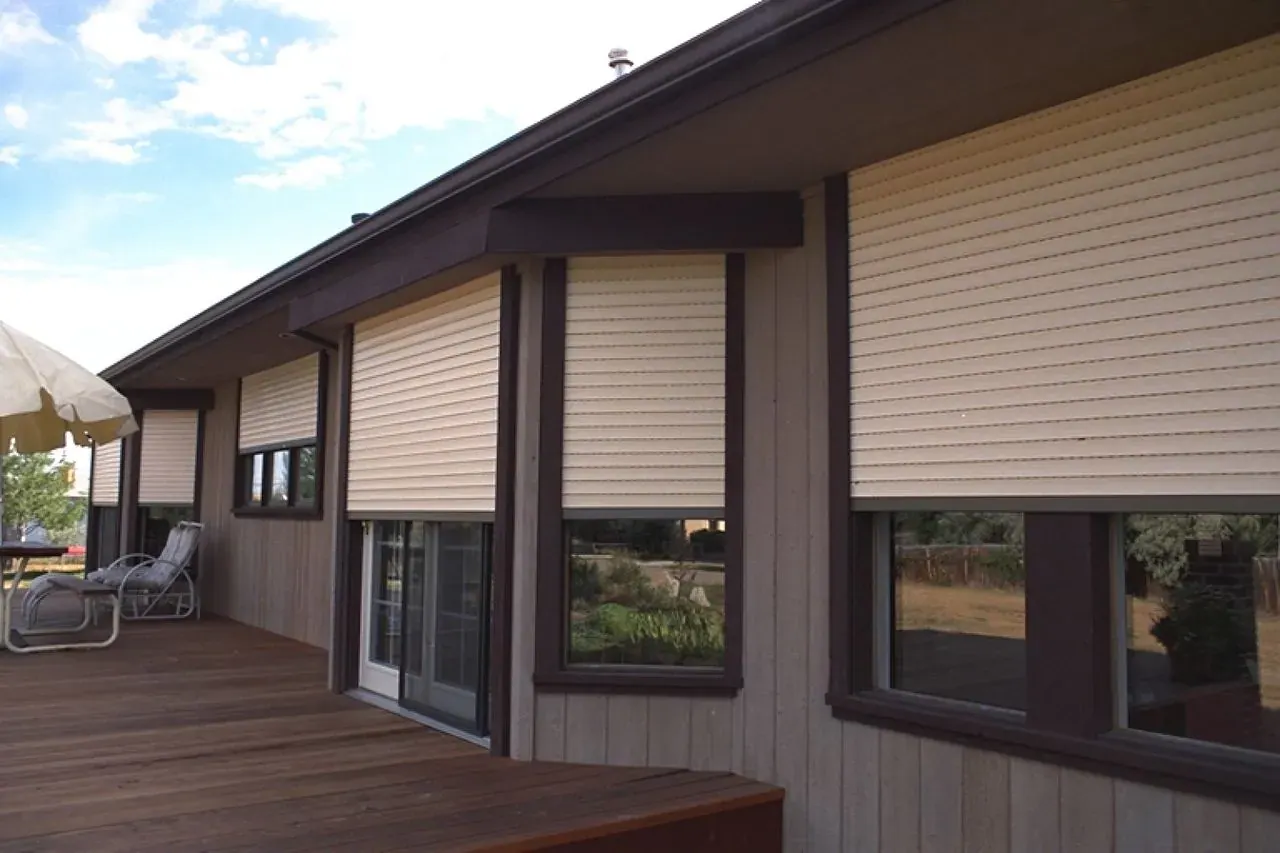
- Extruded Aluminum Slats: 6063-T5 alloy resists impact and corrosion.
- End Retention Clips: Steel pins lock slats during wind events.
- Motor Torque Matching: Somfy motors are sized to opening dimensions precisely.
- Anchor Embed Depth: Hilti fasteners meet ASCE 7 load requirements.
Automation & Operations Options
- Manual Override Access: Hand-crank backup operates without grid power.
- Motor Torque Matching: Somfy motors are sized to opening width.
- Smart Integration Pathways: Bond Bridge connects to existing platforms.
- Limit Switch Calibration: Precise stops prevent track binding damage.
Easy Access and Service Coverage
Treaty Oak Shade Company serves homeowners throughout Austin and surrounding Hill Country communities, installing motorized hurricane screens directly at residential properties. From West Lake Hills to Horseshoe Bay, the team reaches lakefront and hillside homes via Highway 71, Loop 360, and FM 2222. Installations typically require a two-visit process: initial site assessment with substrate testing, followed by fabrication and final mount within four to six weeks.
Hill Country Service Reach
- Austin, West Lake Hills, Lakeway, Bee Cave, Spicewood, Horseshoe Bay, Dripping Springs coverage
- Accessible via Highway 71, Loop 360, FM 2222, and Ranch Road 620
- Service extends west into Blanco County and south through Hays County communities
- Motorized hurricane screen installation with electrical integration at the property
The team coordinates electrical rough-in requirements with the homeowner’s electrician before the mount visit, ensuring dedicated circuits and GFCI protection are in place when the screens arrive.
Frequently asked questions
01 How do roll down hurricane screens hold up against wind-driven rain compared to traditional storm shutters?
Wind-driven rain resistance depends on the exact product’s tested performance, track sealing, bottom retention and installation. Review the manufacturer’s test documentation for the selected system; a standard solar or insect screen should not be treated as a rated hurricane shutter.
Wind-driven rain penetration happens at the edges, not through the fabric. Screens installed with sealed side tracks and bottom retention bars keep water out better than accordion shutters with center seams. The fabric itself sheds water while flexing under wind load. Shutters crack. Screens absorb impact energy through controlled movement, which is why they handle debris strikes without failing. Austin storms bring both sustained winds and sudden gusts. A screen that stays tensioned through both conditions will keep interiors dry.
02 What installation considerations does Treaty Oak Shade Company address when fitting roll down hurricane screens to different window and door configurations in Austin homes?
Roll down hurricane screens adapt to most openings through custom measurements and mounting methods. Installation success depends on structural integrity of mounting surfaces and proper clearance for screen travel paths.
Mounting surface condition determines everything. Stucco, brick, and wood siding each require different anchor types and spacing to handle the lateral loads these screens absorb during high winds. Treaty Oak Shade Company inspects fascia boards and wall framing before committing to a mounting plan, because a screen is only as strong as what holds it. Recessed windows need side channels that clear the frame without binding. Arched openings get segmented housings. Wide spans over patio doors sometimes need center support posts to prevent fabric sag. The screen has to retract into a housing box mounted above the opening, which means verifying headroom clearance and avoiding conflicts with roof eaves, light fixtures, or decorative trim that Austin area homes often feature.
Treaty Oak Shade Company measures twice and fabricates once. Custom screens arrive sized for the exact opening, pre-assembled with motor and guides. Retrofit installations on older homes sometimes require reinforcement blocking behind siding before anchors go in, which adds a day but prevents future pullout failures.
03 Can roll down hurricane screens be operated manually if power goes out during a storm in the Austin area?
Manual operation during a power outage requires a motor and override mechanism specifically ordered with that capability. Confirm this feature in the proposal and have the installer show you where the crank connects and how to operate it before storm season.
If manual override is specified, keep the crank accessible and follow the manufacturer’s instructions for periodic testing. The installer should demonstrate the procedure during handoff, before you need to use it in severe weather.
Manual Override Features Worth Testing Before Storm Season:
- Crank Access Location: The override point should be clearly marked and accessible without moving furniture or climbing. Some installations place it too high or behind obstacles, making emergency operation difficult when conditions deteriorate.
- Gear Ratio and Effort: Larger screens require more cranking effort. A 10-foot wide screen might take 30 seconds of steady turning to deploy fully. Test the mechanism twice a year so you know what physical effort is required and whether the gears turn smoothly.
- Lubrication and Corrosion: Texas humidity affects metal components. If the crank feels stiff or grinds during operation, the gearbox needs lubrication. Waiting until a storm approaches is too late to address binding caused by rust or dried grease.
Homeowners who test their manual override twice a year avoid surprises. The ones who discover a seized mechanism during an actual storm event face a choice between no protection and forcing a system that might strip gears. Ten minutes of testing in calm weather prevents that scenario entirely.
04 Are roll down hurricane screens worth the investment for homes that only face severe storms every few years?
Value can come from documented storm protection and everyday shade, but insurance benefits vary by carrier and product. Ask your insurer whether the selected system qualifies before including any premium change in your decision.
These systems may also provide everyday shade when lowered, which can make them useful beyond storm preparation. Any insurance benefit depends on the carrier and documented product, so confirm that separately rather than assuming a discount. Compare the investment against the tested protection, daily use and full installed scope.
05 How does Treaty Oak Shade Company maintain roll down hurricane screens to ensure they function properly when storms approach the Austin area?
Roll down hurricane screens require annual inspections of tracks, motors, and fabric integrity to prevent deployment failures. Maintenance frequency increases in coastal exposure zones where salt air accelerates corrosion.
Tracks accumulate debris faster than most homeowners expect. Pollen, dust, and organic material from Austin’s live oak canopy settle into guide channels and create friction points that slow or stop screen deployment. Treaty Oak Shade Company cleans tracks during service visits and checks for alignment issues that develop as homes settle. Motors need lubrication and electrical connection testing, particularly after extended periods without use. Fabric inspection catches early signs of UV degradation or small tears before they expand into larger failures. Screens that sit idle for months between storm seasons develop issues that only surface when you need protection most.
Treaty Oak Shade Company schedules maintenance before peak storm season so systems are ready when weather turns. Preventive service costs less than emergency repairs during a hurricane warning, and functional screens protect both property and the investment you made in storm protection.
Ready For a Quote?
Get your Roll Down Hurricane Screens quote Today.
Free, no-pressure consultation. We measure, photograph, and send a written line-item proposal within a week. Most installs ship in 3–5 weeks.
- 5.0 · Google reviews
- SomfyPro Certified
- Lutron Platinum Dealer
- BBB A+
Call the workshop
Mon–Fri · 8a–5p CT · Austin, TX
Prefer to talk it through? Calls are answered by the same team that builds your quote — no call centers, no gatekeepers.

Custom exterior shades, motorized patio screens, awnings, and interior window treatments for Austin and Central Texas.
How To Contact Us
- (512) 939-3446
- 15218 Nightingale Ln,
Austin, TX 78734 - By Appointment Only
Monday - Friday 8 AM - 5 PM