
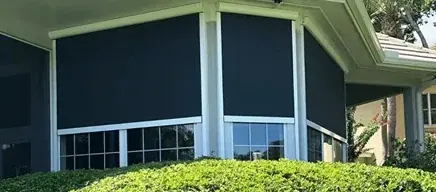
In Austin, dealing with the brutal Central Texas sun and intense bugs makes exterior shading a necessity rather than a luxury. Choosing between motorized shades and motorized pergolas depends on your current patio setup, with systems often costing between $3,000 to over $15,000 depending on size and features.
- Motorized Shades: Perfect if you already have a covered patio, porch, or roof extension. They drop vertically to block glare, significantly reduce heat on harsh west‑facing walls, and keep out pesky mosquitoes. They can be seamlessly retracted to preserve your outdoor views when not needed.
- Motorized Pergolas: Best for uncovered outdoor spaces. Heavy‑duty engineered aluminum structures with built‑in motorized louvers rotate to let sunlight in or close completely to provide shade and block rain. Many homeowners pair both by adding motorized shades to the sides of their motorized pergola for total, 360‑degree environment control.
- Covered Patio Question: Do you already have a covered patio roof, or are you starting with an open, uncovered space?
- Orientation Question: Is your patio west‑facing, getting blasted by afternoon sun, or does it face a different direction?
- Priority Question: Are you mostly trying to stop sun glare, bugs, or sudden rain?
Motorized shades excel for existing covered areas, while pergolas add structural shade for open spaces. Costs, wind resistance, and control options differ enough to shape your decision.
If you’re living in Austin, West Lake Hills, Lakeway, Bee Cave, or any of the surrounding Hill Country towns, the heat and bugs can feel relentless. Deciding between motorized shades and pergolas often feels like a gamble, especially when budgets swing from a few thousand to well over ten thousand dollars.
In this guide we’ll break down the real trade‑offs, reveal a hidden cost many overlook, and give you a clear path forward no matter whether your patio already has a roof or sits open under the Texas sky.
Why This Isn't Actually a Fair Comparison (And What You're Really Choosing Between)
Most buyers treat motorized shades vs pergolas as a simple price versus feature debate, but the reality is more nuanced. The two systems address different architectural gaps, and the decision hinges on existing structures, wind exposure, and how you use your outdoor space.
In Austin and the surrounding Hill Country, a covered porch already shields you from rain, making a vertical shade the logical upgrade. Conversely, an open deck without any roof may demand a structural canopy before any fabric can be added.
Core Decision Factors
- Existing Roof: If a roof or solid overhang already exists, a motorized shade adds privacy and heat reduction without extra footings.
- Open Deck: For a bare patio, a pergola creates a framework that can later host shades, lights, or vines.
- Wind Load: Pergolas built to IBC wind standards can survive 100 mph gusts, while shades need reinforced side channels to avoid flapping.
- Control Preference: Shades retract vertically, preserving sightlines; pergolas rotate louvers, offering adjustable daylight without losing the view.
- Budget Allocation: Shades typically cost less per square foot, but pergolas provide a permanent architectural element that can increase home value.
Understanding these underlying distinctions prevents you from comparing apples to oranges. By first assessing your patio’s current envelope, wind exposure, and budget, you can choose the system that truly solves your outdoor comfort challenge.
When Motorized Shades Make a Pergola Unnecessary for Your Patio
A covered patio in West Lake Hills already blocks rain and offers a solid mounting surface, so adding a pergola would be redundant. In such cases, motorized shades deliver the missing sun control without the expense of a new structure.
The key is to evaluate the level of glare and heat you experience. If the majority of your discomfort comes from direct afternoon sun on a west‑facing wall, a high‑quality solar screen shade can cut heat gain by up to 90 percent.
Shade‑Only Benefits
- Glare Reduction: Solar screen fabrics block harsh glare while preserving outward visibility, ideal for west‑facing walls.
- Bug Barrier: Tight‑weave meshes keep mosquitoes out, a common complaint in Austin’s humid evenings.
- Cost Efficiency: A $4,000 shade system offers comparable heat reduction to an estimated $12,000 pergola without structural work.
- Quick Installation: Shades mount to existing studs or ceiling joists, often completed in a single day.
- Smart Automation: Integrated with Somfy or Lutron hubs, shades can auto‑retract at sunset or when wind exceeds 25 mph.
If your patio already has a roof, focusing on a motorized shade solution gives you the comfort you need while preserving budget and minimizing construction disruption.
The Shade Coverage Gap That Catches Most Homeowners Off Guard
Many homeowners assume a single shade panel will protect an entire patio, but gaps at the sides or corners often let heat and insects slip through. This oversight becomes especially problematic on larger decks in Bee Cave or Spicewood where wind can funnel sunlight under the edge.
A well‑designed system accounts for these leak points by adding side channels, auxiliary screens, or a pergola frame that supports fabric on all four sides.
Common Gaps
- Side Leakage: Without side tracks, wind can push fabric aside, leaving uncovered zones.
- Corner Shadows: Fixed panels leave corners in direct sun, reducing overall cooling efficiency.
- Rain Infiltration: Gaps at the bottom can allow water to pool on the deck, leading to slip hazards.
- Wind Flutter: Unsecured edges flap loudly, increasing noise levels beyond the motor’s 50 dB rating.
- Aesthetic Inconsistency: Visible gaps break the visual continuity of a sleek outdoor space.
Addressing these gaps early saves you from future retrofits and ensures the shade system truly delivers the comfort and energy savings you expect.
How Wind, Rain, and Texas Weather Change the Decision Entirely
Central Texas weather is anything but predictable. Summer storms bring sudden gusts, while winter fronts can drop temperatures dramatically. These fluctuations dictate the durability and safety features you need in any outdoor shading solution.
Motorized pergolas equipped with auto‑retract sensors can sense wind speeds above a preset threshold and close the louvers before damage occurs, a capability most shade systems lack without additional hardware.
Weather‑Driven Choices
- Wind Sensors: Pergolas with built‑in anemometers automatically retract when gusts exceed 30 mph, protecting hardware.
- IP Rating: Outdoor motors need at least IP44 protection to survive rain and dust in Dripping Springs.
- Material Coating: Powder‑coat finishes resist UV‑induced fading, a concern for aluminum frames in Austin’s 228 sunny days.
- Drainage Design: Pergola roofs with integrated gutters prevent water pooling, a problem for flat‑mounted shades.
- Seasonal Calibration: Adjust motor limits each spring to accommodate thermal expansion of fabric and frame.
By matching your shading choice to the local climate’s extremes, you avoid costly repairs and keep your outdoor space functional year‑round.
What a $4,000 Motorized Shade System Gives You That a $12,000 Pergola Doesn't
A modestly priced shade system can deliver high performance without the structural commitment of a pergola. In Austin neighborhoods like Lakeway and Horseshoe Bay, homeowners often prioritize flexibility and low‑maintenance solutions over permanent constructions.
Below is a side‑by‑side comparison of what you actually receive for each price point, highlighting the practical differences most buyers overlook.
The comparison below shows typical features and performance metrics for a $4,000 shade versus a $12,000 pergola*.
| Feature | Motorized Shade ($4K) | Motorized Pergola ($12K) |
|---|---|---|
| Coverage Area | Up to 200 sq ft vertical | Up to 400 sq ft overhead |
| Wind Rating | 30 mph auto‑retract | 100 mph structural design |
| Installation Time | 1–2 days | 2–4 weeks with permits |
| Control Integration | Somfy or Lutron hub | Somfy hub + rain sensor |
| Longevity | 8–10 years fabric | 15–20 years frame |
*Illustrative costs, actual costs may vary.
Key Differences
- Cost Efficiency: Shades give immediate glare reduction for a fraction of the price, ideal for budget‑conscious homeowners.
- Structural Impact: Pergolas require footings and building permits in Austin, adding time and paperwork.
- Flexibility: Shades can be removed or upgraded without altering the building envelope.
- Weather Resilience: Pergolas built to IBC standards survive severe storms that would damage a simple shade.
- Aesthetic Value: Pergolas add architectural interest, increasing curb appeal beyond functional shading.
Choosing the lower‑cost shade makes sense when you need quick relief and have an existing roof, while a pergola justifies its price when you want a permanent, weather‑hard structure.
The Retrofit Reality: Adding Shade to an Existing Outdoor Space
Retrofitting an existing deck or patio can be tricky, especially when dealing with uneven concrete slabs or legacy wiring. In areas like San Marcos and New Braunfels, many homes have older electrical systems that may not meet today’s NEC low‑voltage requirements.
A practical retrofit plan starts with a site survey, followed by selecting a shade solution that works with the current structural and electrical conditions.
Retrofit Steps
- Structural Check: Verify that wall studs or ceiling joists can support the motor’s weight; reinforce if necessary.
- Electrical Review: Ensure low‑voltage wiring complies with NEC 2023, using Class 2 conduit where required.
- Mounting Choice: Opt for surface‑mounted brackets on existing railings to avoid drilling into historic brick.
- Calibration: Set upper and lower limits after installation to prevent motor strain and fabric damage.
- Maintenance Plan: Schedule annual inspections of motor seals and fabric tension to sustain performance.
By following these steps, homeowners in the Hill Country can upgrade their outdoor comfort without costly structural overhauls.
Why We Install Motorized Shades Under Pergolas More Often Than You'd Think
Combining shades with pergolas creates a layered defense against the Texas sun, rain, and insects. In practice, many projects in Austin and surrounding towns start with a pergola frame and then add motorized shades on the sides for 360‑degree coverage.
This hybrid approach leverages the structural strength of a pergola while allowing the fabric to be swapped out for seasonal needs, such as a blackout screen for movie nights.
Hybrid Advantages
- Full‑Circle Protection: Shades on the sides block low‑angle sun that the pergola’s roof cannot reach.
- Seasonal Flexibility: Swap a solar screen for a blackout fabric without altering the pergola’s frame.
- Energy Savings: Combined shading reduces indoor cooling loads by up to 20 % during hot afternoons.
- Aesthetic Cohesion: Integrated design creates a seamless look, avoiding the visual clash of separate structures.
- Smart Automation: A single hub can control both louvers and shades, simplifying daily operation.
Installing shades beneath a pergola maximizes comfort, durability, and design flexibility, making it a favorite solution for homeowners across the Central Texas region.
Choosing Your Ideal Outdoor Shade
We’ve unpacked the real trade‑offs between motorized shades and pergolas, from budget and wind resistance to installation realities in Austin, West Lake Hills, and the surrounding Hill Country. Knowing which gaps your patio already fills and which it leaves exposed lets you avoid costly missteps and enjoy a cooler, bug‑free outdoor space.
Ready to move forward? Reach out to Treaty Oak Shade Company for a free site assessment, explore our exterior shade options, and let our experts guide you to the solution that fits your home and lifestyle.
Author
Lane Frazier has spent two decades installing custom motorized shading systems for homes across Austin and the Hill Country. His hands‑on experience with both vertical shades and louvered pergolas informs the practical advice shared in this guide.
Ready For a Quote?
Get your custom shade quote Today.
Free, no-pressure consultation. We measure, photograph, and send a written line-item proposal within a week. Most installs ship in 3–5 weeks.
Call the workshop
(512) 939-3446
Mon–Fri · 8a–5p CT · Austin, TX
Prefer to talk it through? Calls are answered by the same team that builds your quote — no call centers, no gatekeepers.
Custom exterior shades, motorized patio screens, awnings, and interior window treatments for Austin and Central Texas.
How To Contact Us
Austin, TX 78734
Monday - Friday 8 AM - 5 PM
navigate
Copyright © 2026 | Treaty Oak Shade Co. All Rights Reserved. | Privacy Policy