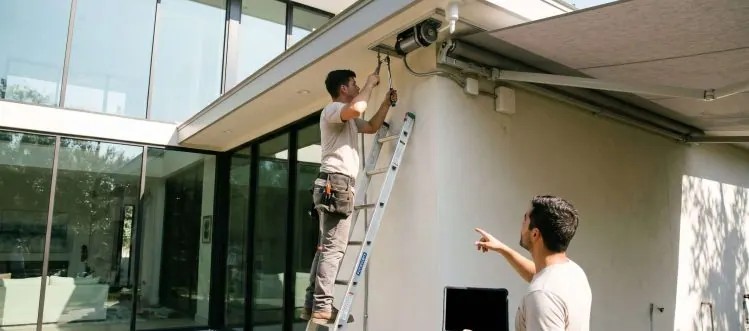
Motorized awnings can keep a sleek façade while cutting heat gain, and when paired with smart controls they become a seamless part of modern design.
Ever stared at a shiny glass wall and wondered how to add shade without ruining the minimalist vibe? In hot Texas summers, that question becomes a daily dilemma for homeowners across Austin, West Lake Hills, and beyond.
The answer lies in motorized awnings that retract into hidden housings, preserving clean lines yet delivering powerful sun control. This guide walks you through the design nuances, mounting tricks, fabric choices, and smart‑home links that make awnings a natural fit for contemporary architecture.
Key Takeaways
Choosing the right mounting system, fabric, and automation lets you keep a modern façade while gaining energy savings and comfort throughout Austin’s hot climate.
- Mounting Strategy: Use concealed soffit brackets and torque‑verified through‑bolts to keep the façade uninterrupted, especially on stucco or EIFS surfaces.
- Fabric Choice: Solution‑dyed acrylic with UPF 50+ offers UV protection and breathability, ideal for floor‑to‑ceiling glass walls.
- Smart Integration: Pair Somfy motors with wind sensors and home assistants to automate retraction before gusts reach 25 mph, protecting the system.
- Energy Impact: Properly sized awnings can lower cooling loads by up to 60 % in west‑facing rooms, according to the Department of Energy.
- Local Regulations: Austin permits often require a structural review; a qualified installer can navigate the City Development Services process smoothly.
Why Modern Architecture Demands Clean-Line Retractable Awnings Over Fixed Canopies
Modern architecture prizes uncluttered elevations, hidden hardware, and flexible spaces. Fixed canopies add bulk, breaking the visual flow that architects work hard to achieve. In Austin’s mixed‑use neighborhoods, the contrast between a sleek glass wall and a bulky roof overhang can feel jarring.
Retractable awnings, especially those that hide within a full‑cassette, preserve that clean line while still delivering shade. They also adapt to seasonal changes, extending in summer and disappearing in cooler months, which aligns with the dynamic nature of contemporary design.
Design Benefits
- Visual Continuity: Hidden brackets keep the façade uninterrupted, allowing glass walls to remain the dominant visual element.
- Seasonal Flexibility: Motorized retraction lets occupants adjust shade without altering the building envelope, supporting a fluid indoor‑outdoor relationship.
- Space Efficiency: Unlike permanent canopies, retractable systems occupy no additional ground footprint, freeing up patio or walkway area.
- Aesthetic Integration: Custom color‑matched cassette fronts blend with surrounding materials, from concrete to metal panels.
- Future‑Proofing: The system can be upgraded with new sensors or controls without structural changes.
When a project calls for a minimalist look, the hidden‑mechanism approach of motorized awnings offers a solution that respects the design intent while delivering practical sun control. In practice, many Austin architects now specify retractable systems as part of the original design package, avoiding costly retrofits later.
How Motorized Awnings Preserve the Minimalist Aesthetic Without Sacrificing Sun Control
A key challenge for minimalist homes is balancing form and function. Large glass façades flood interiors with light, but without shading they can become solar ovens. Motorized awnings address this by staying invisible when not needed, then extending only when the sun threatens comfort.
The technology behind these awnings has matured. Quiet tubular motors, such as those from Somfy, operate at low decibel levels, and wind sensors automatically retract the shade before gusts exceed safe limits. This ensures the façade remains pristine while protecting the interior.
Functional Highlights
- Quiet Operation: Motors designed for residential use emit less than 55 dB, keeping the outdoor ambience undisturbed.
- Automatic Wind Protection: Sensors trigger retraction at 20 mph, preventing fabric tear and frame damage during Austin thunderstorms.
- Smart Home Sync: Integration with Alexa or Google Assistant lets users command awnings via voice or schedule daily retraction.
- Energy Savings: By shading windows during peak sun hours, awnings can cut cooling demand by up to 40 % in south‑facing rooms.
- Low Maintenance: Solution‑dyed acrylic fabrics resist mold and UV fading, reducing the need for frequent cleaning.
The result is a sleek, unobtrusive system that blends into the architecture while delivering measurable comfort and energy benefits. Homeowners in West Lake Hills and Bee Cave report noticeable temperature drops after installing motorized awnings.
The Mounting Detail That Makes or Breaks a Contemporary Façade
Mounting is where theory meets reality. A poorly attached awning can sag, vibrate, or even detach during a wind event, marring the clean lines of a modern home. In Austin’s varied climate, from calm evenings to sudden gusts, the mounting method must be robust yet discreet.
Experienced installers rely on structural blocking, epoxy‑set anchors, and torque‑verified through‑bolts to secure the frame. When mounting to masonry, chemical anchors provide the pull‑out resistance needed for wind loads up to 50 mph, as outlined in ASCE 7‑16.
Key differences between common mounting methods for modern awnings:
| Mounting Type | Typical Fastener | Maximum Wind Rating |
|---|---|---|
| Wood stud attachment | Lag screw ½‑inch | 30 mph |
| Masonry epoxy anchor | Chemical anchor ¾‑inch | 50 mph |
| Concrete wedge anchor | Wedge anchor ¾‑inch | 45 mph |
Mounting Essentials
- Structural Blocking: Locate studs or blocking behind drywall to ensure load transfer directly to the building’s framing.
- Epoxy Anchors: Use high‑strength epoxy anchors in masonry to meet the pull‑out requirements of EN 13561 wind class 2.
- Torque Verification: Apply a calibrated torque wrench to fasteners, typically 8–10 Nm for ½‑inch lag screws, to avoid under‑tightening.
- Hidden Fasteners: Concealed brackets keep hardware out of sight, preserving the minimalist aesthetic.
- Professional Inspection: A post‑install inspection verifies alignment, level, and proper sensor placement.
A solid mounting plan protects both the awning and the building envelope, delivering years of reliable performance. In practice, clients in Dripping Springs who skipped a structural review often faced premature failures, underscoring the importance of proper installation.
When Exposed Hardware Actually Enhances Modern Design Instead of Ruining It
Exposed hardware can feel out of place in a sleek façade, but intentional design can turn it into a feature. By selecting high‑grade finishes and integrating hardware into the architectural rhythm, the awning becomes a sculptural element rather than an eyesore.
In Austin’s vibrant neighborhoods, designers sometimes use brushed‑aluminum brackets that echo the building’s metal cladding. This creates visual continuity and can even serve as a subtle cue for the awning’s operation.
Design‑Focused Hardware
- Brushed Aluminum Brackets: Match the finish of nearby metal panels, creating a cohesive look.
- Color‑Matched Casings: Powder‑coat the cassette in RAL 9005 matte black to blend with contemporary façades.
- Integrated Lighting: LED strips within the cassette front bar add night‑time ambience without extra fixtures.
- Minimalist Fasteners: Use recessed, low‑profile screws that disappear behind the mounting plate.
- Artistic Pivot Points: Exposed pivots can be shaped as geometric accents, adding a design flourish.
When hardware is thoughtfully selected, it reinforces the architectural language rather than detracting from it. Homeowners in New Braunfels have embraced this approach, using exposed brackets as a design statement that complements their modern homes.
Fabric Selection for Floor‑to‑Ceiling Glass: What Architects Specify and Why
Choosing the right fabric is critical when an awning spans an entire glass wall. Architects look for materials that block UV, resist moisture, and maintain color integrity under intense Austin sun. Solution‑dyed acrylic fabrics, such as Sunbrella, meet these criteria while offering a range of textures.
Beyond UV protection, the fabric’s water repellency and breathability affect indoor comfort. A high UPF rating reduces heat gain, while a breathable weave prevents condensation on the glass surface.
Comparison of common awning fabrics for modern applications:
| Fabric Type | UPF Rating | Water Column (mm) |
|---|---|---|
| Solution‑dyed acrylic | 50+ | 350 |
| Coated polyester | 30‑40 | 500 |
| PVC‑coated fabric | 20‑30 | 600 |
Fabric Criteria
- UPF 50+ Rating: Blocks at least 98 % of UV rays, protecting interior furnishings and occupants.
- Solution‑Dyed Acrylic: Color is integrated into the fiber, preventing fading even after years of exposure.
- Water Repellency: Treated with fluorocarbon finishes to achieve a water column rating of 300 mm, shedding rain efficiently.
- Mildew Resistance: Antimicrobial treatment inhibits fungal growth in Austin’s humid summers.
- Tensile Strength: Minimum 150 lbf warp strength ensures the fabric can handle wind pressure without tearing.
By specifying a high‑performance acrylic, architects guarantee long‑term durability and comfort for occupants. In practice, projects in Lakeway that selected a lower‑grade polyester fabric saw premature fading and moisture issues, highlighting the importance of proper material choice.
How Smart Home Integration Changes Awning Placement in Modern Builds
Smart home ecosystems have reshaped how we think about shading. Rather than a manual pull‑cord, a motorized awning can respond to weather forecasts, occupancy sensors, and even solar intensity data. This flexibility influences where designers place awnings, often allowing them to be set further from the wall without compromising performance.
In Austin, where afternoon sun can be intense, a sensor‑driven system can automatically extend the awning just before peak heat hits, then retract at night. The result is a dynamic façade that reacts to the environment.
Automation Advantages
- Wind Sensor Automation: Retracts at preset gust speeds, safeguarding the awning during sudden storms.
- Solar Sensor: Extends when sunlight exceeds 5,000 lux, reducing interior heat gain without user input.
- Voice Control: Integration with Alexa or Google Assistant lets occupants adjust shade with a simple command.
- Scheduling: Pre‑set daily routines align awning operation with typical occupancy patterns.
- Energy Monitoring: Smart hubs can report energy savings, reinforcing the system’s value.
Smart integration turns the awning into an active building component, enhancing comfort and efficiency. Homeowners in Spicewood who added a wind sensor reported a 30 % reduction in wind‑related repairs.
The Color and Finish Combinations That Complement Metal, Concrete, and Glass
A well‑chosen finish can make an awning feel like an extension of the building’s envelope. Metal façades pair naturally with matte black or brushed aluminum cassettes, while concrete walls benefit from earth‑tone powder coats. Glass façades often look best with neutral or clear finishes that let the structure shine through.
In the Austin market, homeowners gravitate toward finishes that resist the region’s UV exposure while matching the surrounding architecture. Selecting the right color also helps the awning blend with landscaping and neighboring structures.
Finish Pairings
- Matte Black Cassette: Complements steel and aluminum cladding, offering a sleek silhouette.
- Rough Stone Powder Coat: Matches exposed concrete, adding texture without visual clash.
- Clear Acrylic Front Bar: Allows light to pass while still protecting the motor housing.
- Custom Color Matching: Paint to RAL standards for precise coordination with building palettes.
- UV‑Resistant Coatings: Prevent fading and maintain color integrity over a decade of sun exposure.
Choosing a finish that mirrors the building’s primary material creates a harmonious look. In practice, owners in Cedar Park who opted for a custom RAL‑matched cassette reported higher satisfaction with the overall aesthetic.
Seamless Shade for Modern Homes
Motorized awnings, when thoughtfully designed, become an invisible partner to modern architecture, delivering shade, energy savings, and smart functionality without compromising clean lines. From precise mounting to fabric science, each decision influences both performance and visual impact.
If you’re ready to upgrade your Austin home with a system that respects your design vision, explore the options available through local specialists. A well‑installed awning can transform your living space, lower cooling costs, and add a touch of futuristic elegance.
Author
Lane Frazier is a seasoned professional specializing in motorized shading solutions for Austin-area residences. With two decades of hands‑on experience installing custom awnings, he brings practical insight into how these systems integrate with modern design.
Ready For a Quote?
Get your custom shade quote Today.
Free, no-pressure consultation. We measure, photograph, and send a written line-item proposal within a week. Most installs ship in 3–5 weeks.
Call the workshop
(512) 939-3446
Mon–Fri · 8a–5p CT · Austin, TX
Prefer to talk it through? Calls are answered by the same team that builds your quote — no call centers, no gatekeepers.
Custom exterior shades, motorized patio screens, awnings, and interior window treatments for Austin and Central Texas.
How To Contact Us
Austin, TX 78734
Monday - Friday 8 AM - 5 PM
navigate
Copyright © 2026 | Treaty Oak Shade Co. All Rights Reserved. | Privacy Policy