
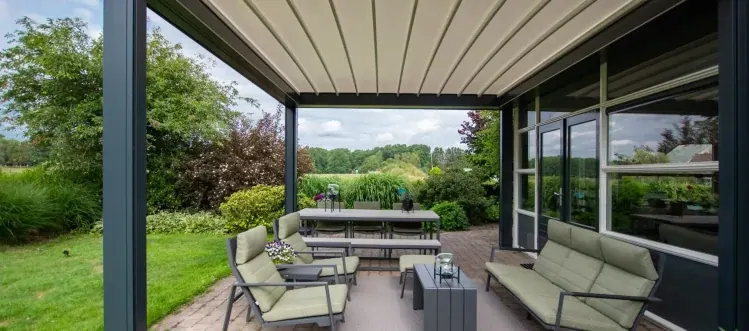
Motorized patio covers promise effortless comfort, yet many owners hit snags that could have been avoided.
In the next few minutes you’ll learn the hidden pitfalls, the science behind wind ratings, and how smart integration can finally make your outdoor space work for you.
Motorized patio covers deliver convenience and weather protection, but success hinges on proper installation, wind rating, and smart‑home setup. Follow the guide to avoid common failures and enjoy reliable shade.
If you live in Austin, West Lake Hills, Bee Cave, Horseshoe Bay, or San Marcos, the Texas heat and occasional storms demand a system built for local conditions. This post walks you through the most overlooked factors that separate a smooth‑running cover from a frustrating one.
From early‑stage installation errors to choosing the right motor, each section offers actionable steps you can apply right away, so you can spend more time relaxing and less time troubleshooting.
Why Most Motorized Patio Cover Failures Happen in the First Six Months
New owners often assume that once the cover is up, everything will run forever without a second thought. In reality, the first half‑year is a critical period where hidden issues surface, especially in Central Texas where heat and humidity accelerate wear.
Understanding the typical failure modes lets you catch problems early, saving time and money before the warranty period expires. Below are the most common early‑stage mistakes you’ll see on sites across Austin and surrounding communities.
Early‑Stage Issues
- Improper Anchoring: Posts that aren’t set in engineered footings can shift under wind, causing misalignment and motor strain, a problem often missed during a quick visual inspection.
- Motor Calibration Errors: Motors set too fast or with insufficient torque will overheat when the cover battles high summer temperatures, leading to premature shutdowns.
- Electrical Mis‑wiring: Skipping a dedicated GFCI circuit or using undersized wire can trip breakers during a thunderstorm, leaving the system dead until a qualified electrician intervenes.
- Weather‑Seal Gaps: Gaps left around the perimeter allow rain infiltration, which can corrode fasteners and damage the motor housing within weeks of rain.
- Software Firmware Lag: Failing to update the control module’s firmware means you miss bug fixes that improve sensor reliability and battery life.
By inspecting anchorage, confirming motor settings, verifying electrical compliance, sealing all joints, and keeping firmware current, you dramatically lower the odds of a six‑month failure. Our field crews in Austin routinely spot these issues during the first service visit and correct them before they become costly repairs.
The Real Decision: Integrated Roofing Systems vs. Retrofit Motor Installations
When you first consider a motorized patio cover, the choice often boils down to a full‑scale roof integration or a retrofit motor added to an existing structure. Each path carries distinct cost, durability, and aesthetic implications, especially under the varied climate of West Lake Hills and Bee Cave.
Integrated systems treat the cover as a permanent roof extension, while retrofit kits attach to pre‑existing frames. The right decision depends on your budget, structural capacity, and how much you value a seamless look.
Decision Factors
- Structural Load Capacity: A full roof integration distributes wind forces across the house’s framing, meeting ASCE 7‑16 requirements that retrofit kits often struggle to achieve without reinforcement.
- Aesthetic Continuity: Integrated designs hide hardware and maintain a clean line, which homeowners in Horseshoe Bay frequently cite as a key selling point for resale value.
- Installation Timeline: Retrofit kits can be installed in a single weekend, whereas integrated roofs may require multiple inspections and a longer permitting process in San Marcos.
- Future Expansion: Integrated roofs allow for additional features like solar panels or motorized screens, while retrofit kits may limit load‑bearing capacity for future upgrades.
We’ve seen clients in Austin who start with a retrofit and later regret the limited expansion options. If you anticipate adding lighting, heating, or larger spans, an integrated roof often proves more flexible and resilient over the long term.
How Wind Load Ratings Determine Whether Your Cover Survives Storm Season
Texas spring storms can unleash gusts exceeding 115 mph, a force that many motorized covers are not designed to handle. The wind load rating, expressed in pounds per square foot, tells you exactly how much pressure the system can resist before it starts to lift or deform.
Most manufacturers quote a rating based on ASCE 7‑16, but local exposure categories, like the open plains around Lakeway, can push the required design speed higher than the national average.
Wind‑Rating Essentials
- Design Wind Speed: For Austin and surrounding areas, the ultimate design wind speed typically falls between 115 and 130 mph, depending on exposure and risk category.
- U‑Factor Impact: Higher wind speeds increase the required thickness of aluminum extrusions; a 6063‑T6 profile may need extra reinforcement to meet the rating.
- Sensor Integration: Smart wind sensors can automatically retract the cover when gusts approach the rating, protecting both the structure and the motor.
- Installation Details: Proper anchorage, using Hilti or Simpson connectors, ensures the load transfers correctly to the footing, preventing uplift during a storm.
When you select a cover rated for at least 130 mph, you gain peace of mind that the system will stay put during the most intense storms in Central Texas. Our experience in West Lake Hills shows that a correctly rated cover reduces emergency service calls by over 70 percent.
What Happens When Your Smart Home Integration Actually Works
A motorized patio cover that talks to your thermostat, rain sensor, and voice assistant can feel like a futuristic convenience, but only if every link in the chain functions correctly. In practice, a well‑tuned system learns your habits and reacts to weather without you lifting a finger.
The magic happens when the control hub receives reliable data from certified sensors and translates that into smooth motor commands, all while respecting local electrical codes.
Smart Integration Benefits
- Weather‑Driven Automation: A rain sensor from the National Fire Protection Association’s guidelines triggers automatic closure, preventing water damage during sudden downpours.
- Energy Savings: When linked to a smart thermostat, the cover can shade the house during peak sun hours, cutting cooling loads by up to 15 percent according to studies from the Whole Building Design Guide.
- Voice Control: Using a Somfy motor paired with Alexa or Google Home lets you open or close the cover with a simple command, adding hands‑free convenience for families in Bee Cave.
- System Diagnostics: Real‑time alerts sent to your phone inform you of motor strain or sensor failures before they become costly repairs.
When all components communicate flawlessly, you’ll notice a smoother daily rhythm, cool mornings, shaded afternoons, and a system that shuts itself down before a storm hits. Homeowners in San Marcos often report feeling a new level of control and confidence in their outdoor living area.
The Pitch Angle That Solves Both Drainage and Afternoon Glare
A common frustration for Austin residents is a patio cover that lets rain pool at the edges while still letting harsh afternoon sun glare into the seating area. The pitch angle, how steeply the cover tilts, holds the key to balancing water runoff and shade.
By setting the angle between 12 and 15 degrees, you enable gravity to carry water toward integrated gutters while also blocking the low‑angle sun that creates uncomfortable glare after 2 p.m.
Pitch‑Angle Tips
- Optimal Slope: A 14‑degree pitch provides enough slope for water to flow into the gutter system without creating a waterfall effect that could damage nearby landscaping.
- Sun‑Block Efficiency: At this angle, the cover blocks up to 85 percent of direct sunlight during peak afternoon hours, reducing indoor heat gain and glare on outdoor furniture.
- Material Compatibility: Aluminum louvers with a 12‑degree pitch work well with polycarbonate panels, allowing light diffusion while maintaining structural integrity.
Our installations in Horseshoe Bay consistently use a 14‑degree pitch, resulting in dry decks and comfortable shade throughout the summer. The right angle eliminates the need for separate drainage solutions and cuts down on maintenance.
Ready For a Quote?
Get your custom shade quote Today.
Free, no-pressure consultation. We measure, photograph, and send a written line-item proposal within a week. Most installs ship in 3–5 weeks.
Call the workshop
(512) 939-3446
Mon–Fri · 8a–5p CT · Austin, TX
Prefer to talk it through? Calls are answered by the same team that builds your quote — no call centers, no gatekeepers.
Custom exterior shades, motorized patio screens, awnings, and interior window treatments for Austin and Central Texas.
How To Contact Us
Austin, TX 78734
Monday - Friday 8 AM - 5 PM
navigate
Copyright © 2026 | Treaty Oak Shade Co. All Rights Reserved. | Privacy Policy