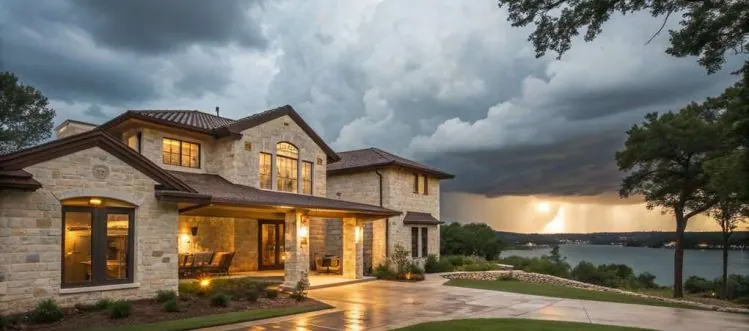
Lakeway’s shifting weather creates unique challenges for motorized awning owners, making smart budgeting essential. Summer’s 100°F heat accelerates component wear, often increasing maintenance costs by 15–25%. Spring storms add another layer of expense, with potential damage reserves reaching $2,000–$5,000 per installation.
While winter may reduce operating costs by up to 40%, cold-weather lubricants and backup systems are still necessary for reliable performance. Regular inspections and preventive maintenance help owners stay ahead of costly repairs, ensuring their awning investment remains protected year-round.
With the right planning, you can extend durability and manage expenses despite Lakeway’s unpredictable climate.
Key Highlights
- Summer temperatures in Lakeway often soar above 100°F, which means it's wise to adjust maintenance budgets for motor replacements and protections for electronic systems.
- During the spring storm season, it's prudent to set aside $2,000-$5,000 in emergency funds per installation. This is due to the high likelihood of hail damage in the area.
- In winter, operational costs typically decrease by 30-40% because of reduced usage. However, the cold weather necessitates specialized lubricants and can lead to increased power consumption.
- For biannual maintenance, expect costs in the range of $350-$700 per unit. This includes fabric treatments and hardware adjustments to adapt to Lakeway's fluctuating climate.
- Be prepared for emergency repairs during severe weather events, as costs can rise by 30%. It’s essential to allocate a portion of your budget for unexpected maintenance.
Summer Heat Impact on System Components and Costs
As the summer heat intensifies, many business owners find themselves grappling with unexpected operational challenges that can significantly impact their bottom line. Awning systems can experience accelerated wear and increased maintenance costs when temperatures soar to 100°F. This isn’t just a minor inconvenience; it’s a reality that can affect the reliability and efficiency of your business operations during peak summer months.
During the sweltering season from June through September, awning systems face a myriad of issues. For example, motors and gearboxes are under constant strain, leading to wear that can necessitate costly repairs or replacements. The thermal stress on electronic control systems can also result in erratic behavior, disrupting operations and causing frustration. Additionally, using motorized blinds can help regulate indoor temperatures, further alleviating strain on your awning systems. Investing in custom window treatments designed for specific automation needs can also enhance the overall efficiency of your setup.
Consider the physical toll on the metal framework of your awning. It undergoes repeated expansion and contraction as temperatures fluctuate between 75°F at night and 100°F during the day. This can lead to structural fatigue, compromising the integrity of the system. Additionally, sensor calibration becomes increasingly unreliable when exposed to sustained high temperatures above 95°F, which means you may need to adjust your systems more frequently to maintain their functionality.
Lubrication is another critical factor. In extreme heat, lubrication breaks down more quickly, leading to increased friction and wear on moving parts. As a result, businesses typically find themselves shifting from annual maintenance inspections to semi-annual schedules during these hot months, adding to operational costs.
To navigate these challenges, it is essential to invest in regular maintenance and consider using high-temperature-resistant components where possible. By being proactive and addressing these issues early, you can mitigate the risks associated with the summer heat, ensuring that your awning system operates smoothly and efficiently throughout the season. Additionally, utilizing motorized patio covers can provide enhanced protection against the elements, ultimately extending the lifespan of your investment.
Spring Storm Season Budget Planning
As spring storm season looms, the question on every business owner's mind is, "Am I prepared for the financial impact of severe weather?" With Texas experiencing a surge in hail damage during April, it's critical to develop a robust budget plan that anticipates the increasing intensity and frequency of these storms. In fact, the National Oceanic and Atmospheric Administration (NOAA) reports that the number of severe storms has risen significantly over the past decade, leaving many businesses vulnerable to costly damages. Investing in interior shades can also offer an added layer of protection for indoor spaces during stormy weather.
To navigate this challenging landscape, pre-storm inspections become non-negotiable budget items. As climate change alters traditional storm patterns, businesses must adapt by factoring in higher insurance deductibles during peak periods and investing in hail-resistant materials. The recent weakening of La Niña patterns has also extended storm seasons, adding another layer of complexity to your financial planning. Investing in rolling shutters can provide additional protection against extreme weather conditions.
After a storm, the costs can skyrocket due to contractor shortages and a surge in demand for replacement parts. For instance, emergency repair costs can increase by as much as 30% during peak storm recovery periods, particularly in March and April. Business owners must prepare for premium pricing for professional services during this time.
Moreover, investing in automated retraction systems and backup power solutions is essential for safeguarding your operations during severe weather events. These proactive measures not only protect your infrastructure but also minimize potential losses in revenue. Additionally, incorporating motorized options in your budget can enhance convenience and provide effective protection against the elements.
Winter Weather Protection and Maintenance Expenses
When winter sets in, the challenges extend far beyond the chill in the air. For businesses relying on motorized awning systems, understanding how cold temperatures can impede performance is crucial for winter preparation. Motors become less efficient below 50°F. In fact, during January's lows in Lakeway, they can consume an additional 15-25% more power. This increase can significantly affect operational costs if not properly managed.
To safeguard your awning systems this winter, consider investing in winter-grade lubricants, which typically range from $75 to $150 annually. These lubricants are vital when temperatures dip below 45°F, ensuring that moving parts operate smoothly despite the cold. Additionally, be aware that battery systems can lose up to 40% of their capacity in frigid conditions, which may require you to rethink backup plans or energy sources.
While Lakeway sees minimal snowfall, it still necessitates basic ice protection measures that can cost between $100 and $300 each year. The region’s average winter winds of 11 mph underscore the importance of installing wind sensors, which can range from $300 to $800, in conjunction with reinforcement systems priced between $400 and $1,200. These proactive steps are essential for maintaining the integrity of your awning systems.
Another often overlooked factor is the effect of shorter daylight hours on maintenance scheduling. Service calls during these limited hours can come with a premium of 15-25% higher rates, adding an unexpected strain on your winter maintenance budgets. By planning ahead and understanding these nuances, you can effectively manage costs and ensure that your awning systems remain protected throughout the winter months.
UV Exposure and Durability Cost Factors
When considering investments in awning systems, one paramount question often arises: how do we protect our outdoor assets from the relentless force of UV rays? UV exposure accounts for 40% of fading damage to outdoor furniture and surfaces. This alone underscores the critical importance of selecting the right materials for your awning.
Investing in premium fabrics like Sunbrella and Dickson Constant is not just about aesthetics; it's a strategic decision that can significantly impact your bottom line. These high-quality materials can block up to 98% of harmful UV rays, which directly correlates with enhanced material longevity and reduced maintenance costs. While the initial investment may be higher, the long-term savings achieved through decreased replacement expenses make it a wise financial decision.
The durability of your awning is heavily influenced by the choice of UV-resistant materials. A well-constructed awning made from premium acrylic, polyester, or canvas with specialized coatings can last between 10 to 15 years with proper care. This superior resistance to UV degradation, moisture, and mildew not only protects your outdoor assets but also safeguards your indoor environments from fading and deterioration.
Moreover, integrating modern technologies such as wind and sun sensors into motorized awning systems can optimize protection automatically, extending the service life of your awning even further. As business owners, it’s crucial to recognize that investing in high-quality UV protection isn't merely a cost—it's a strategic move to preserve the value of your property and enhance your outdoor experience.
Annual Operating Cost Breakdown and Reserves
Navigating the complexities of annual operating costs for awning systems can feel like a daunting task, especially when seasonal weather variations play a significant role. Energy consumption can spike by 15-25% during peak cooling months. Conversely, winter conditions can lead to savings of 30-40% due to decreased deployment needs. Understanding these dynamics is crucial for effective budgeting and reserve planning.
Consider the importance of maintenance budgeting, which should reflect the impact of weather on expenses throughout the year. For instance, biannual fabric treatments typically range from $150 to $300 per unit, while seasonal hardware adjustments can cost between $200 and $400. High humidity levels—hovering around 64-67%—can accelerate component wear, necessitating replacements every 18-24 months. This is compounded by a 12-18% annual probability of storm damage, which could require setting aside $2,000 to $5,000 per installation.
Additionally, emergency repairs during high winds can rack up costs between $300 and $800. It's essential to note that moisture-related electrical failures can increase replacement costs by 20-30%. Temperature fluctuations from 43°F to 96°F also affect motor efficiency, leading to the need for added thermal protection systems, which can drive overall operating expenses higher.
In Summary
Effective budgeting for motorized awnings in Lakeway requires a thorough understanding of the region's seasonal weather patterns. Property owners must consider the intense UV exposure during summer months, the risks of spring storms, and the necessity for winter maintenance when planning their finances. By accounting for these weather-related costs, owners can ensure that they maintain adequate funding levels throughout the year. This proactive approach guarantees that awning systems remain functional and well-protected against the diverse climate challenges faced in Central Texas.
Treaty Oak Shade stands out as the premier custom motorized patio shade company in Austin, Texas, and its surrounding areas. Our expertise can help property owners navigate the complexities of budgeting for seasonal weather impacts on their awnings. We emphasize the importance of strategic planning to accommodate the unique climate conditions that can affect outdoor living spaces. With our tailored solutions, we ensure that your motorized awnings remain reliable and effective, enhancing your outdoor experience year-round.
Ready For a Quote?
Get your custom shade quote Today.
Free, no-pressure consultation. We measure, photograph, and send a written line-item proposal within a week. Most installs ship in 3–5 weeks.
Call the workshop
(512) 939-3446
Mon–Fri · 8a–5p CT · Austin, TX
Prefer to talk it through? Calls are answered by the same team that builds your quote — no call centers, no gatekeepers.
Custom exterior shades, motorized patio screens, awnings, and interior window treatments for Austin and Central Texas.
How To Contact Us
Austin, TX 78734
Monday - Friday 8 AM - 5 PM
navigate
Copyright © 2026 | Treaty Oak Shade Co. All Rights Reserved. | Privacy Policy