
10 Benefits of Motorized Awnings for Your Home
June 30, 2026
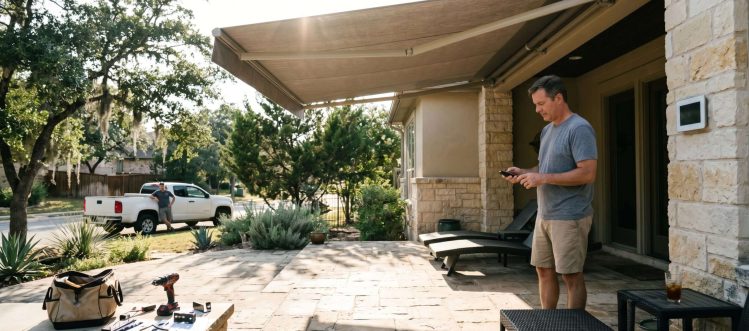
Motorized awnings cut cooling costs and boost outdoor comfort, while smart controls keep you safe during high winds. Learn how these ten benefits transform Texas living.
If you’ve ever squinted at the blazing summer sun from your patio, you know how quickly a simple awning can feel like a lifesaver. The problem is that many homeowners settle for manual shades that are a hassle to adjust, leaving them exposed to heat and glare. Not knowing the full range of advantages means missing out on energy savings, safety features, and the convenience that a motorized system brings. In Austin’s hot, humid climate, the difference between a shaded retreat and an overheated room can be huge.
This list walks you through the top ten ways motorized awnings improve daily life, from cutting utility bills to protecting furniture from UV damage. Each point explains why it matters, offers a real‑world example, and suggests a simple step you can take today. Use the insights to decide which features matter most for your home in West Lake Hills, Bee Cave, or any of the surrounding Hill Country towns.
1. Automatic Sun Control Saves Energy
Sun‑tracking awnings can be programmed to extend when the sun hits a window, reducing solar heat gain by up to 80 percent. The reality is that less heat entering your home means your air‑conditioner runs less, which translates into lower electricity bills. In a typical Austin home, the Department of Energy notes that shading can cut cooling loads by 15‑25 percent, a figure that adds up quickly during those 100‑degree days.
Set up a schedule in your smart controller or use a wind sensor that retracts the awning when gusts exceed 30 mph. Pair the system with a Somfy motor for quiet operation and you’ll notice a comfortable indoor temperature without touching the thermostat. For a hands‑on demo, visit our motorized retractable awnings page to see the options available for your patio.
2. Enhanced Outdoor Living Space
A motorized awning creates a reliable shade zone that lets you enjoy the backyard even at midday. The benefit is more usable square footage for dining, play, or relaxing without worrying about sunburn or glare on TV screens. Architectural Digest points out that well‑designed awnings can turn a cramped patio into a year‑round lounge area.
Install a wind‑sensor‑linked unit that retracts automatically during storms, so you never have to scramble to protect the fabric. Choose a solution with a 12‑foot projection for a spacious feel, and pair it with a light‑colored, solution‑dyed acrylic fabric for UV protection. Check out our exterior shades for Austin area homes for design ideas.
3. UV Protection Preserves Interiors
Direct sunlight can fade furniture, flooring, and artwork, especially in a sunny Texas market. An awning with a UPF 50+ rating blocks over 98 percent of UV rays, keeping your interiors looking fresh for years. The National Park Service highlights shading as a key strategy for home energy efficiency and material longevity.
Select a fabric with a high Blue Wool lightfastness rating, such as Sunbrella, and verify that the motor meets UL 325 safety standards. When the awning is retracted during peak UV hours, you’ll notice less heat buildup and reduced fading on your sofa. Learn more about the science behind window coverings on the DOE window coverings page.
4. Wind‑Resistant Design Prevents Damage
Austin’s spring thunderstorms can produce gusts that exceed 40 mph, a common cause of awning tears and frame failures. The pain point is that a flimsy system may snap or detach, leading to costly repairs. Choosing a wind‑rated awning that meets EN 13561 Class 2 or higher mitigates that risk.
In practice, a properly engineered frame with powder‑coated aluminum and stainless‑steel fasteners holds up even when a sudden gust hits. Homeowners who install a wind sensor see a 70‑percent reduction in storm‑related damage, according to industry data. The difference after installing a robust system is clear: you keep the awning intact and your home safe.
Key Features
- Wind Class: EN 13561 Class 2 or 3 ratings guarantee resistance up to 31 mph, protecting the structure during most Texas storms.
- Frame Material: Powder‑coated aluminum offers a lightweight yet strong skeleton that resists corrosion in humid conditions.
- Fasteners: Stainless‑steel (316) anchors and brackets provide lasting hold on masonry, wood, or stucco surfaces.
- Sensors: Integrated wind sensors trigger automatic retraction, preventing overload and fabric tearing.
When you select a wind‑rated awning, you eliminate the guesswork of whether it will survive the next thunderstorm. The combination of a sturdy frame, reliable fasteners, and smart sensors creates a system that works for you, not against the weather. This peace of mind is especially valuable for homes in Lakeway or Dripping Springs, where wind events are frequent.
5. Noise‑Reduced Operation Improves Comfort
A noisy motor can be a nuisance during quiet evenings, but modern tubular motors operate at 50 dB or lower, barely audible from inside the house. The benefit is a seamless transition between shade and sun without disturbing conversations or TV shows. A study by the Energy Saver program notes that low‑noise units encourage more frequent use, amplifying energy savings.
Choose a motor with a sealed gearbox and a quiet‑run rating, such as those offered by Nice or Dooya. Install it with a soft‑close feature so the awning slows down near the end of its travel, reducing wear and sound. For a full overview of quiet motor options, visit our home page.
6. Smart Home Integration Adds Convenience
Connecting your awning to a smart hub lets you control it with a voice command or a phone app, eliminating the need for a wall switch. The reality is that many homeowners already use Alexa or Google Home, so adding an awning is a natural extension of their existing ecosystem. Architectural Digest mentions that such integration can also trigger other devices, like fans, for a coordinated cooling strategy.
Pair a Somfy RTS motor with a TaHoma hub, then set scenes that lower the awning when the thermostat hits 78 °F. You can also link the system to a rain sensor that retracts the awning at the first sign of precipitation, protecting the fabric. The convenience of a single tap or voice command makes outdoor living effortless.
7. Increased Property Value and Curb Appeal
A well‑installed motorized awning signals a modern, energy‑conscious home, which can boost resale value and attract buyers. The benefit is that buyers often pay a premium for homes with built‑in shade solutions, especially in hot markets like Austin and its suburbs. The Department of Energy notes that shading devices are a top feature in home energy audits.
Select a color and style that complements your home’s architecture, and ensure the hardware matches the exterior trim. A custom‑fabricated front bar with a powder‑coated finish adds a polished look. For inspiration, explore our exterior shades gallery.
8. Low Maintenance Design Saves Time
Many homeowners dread the upkeep of outdoor equipment, but motorized awnings require minimal care when built with durable materials. The pain point is that neglect can lead to mold, rust, or fabric wear, especially after heavy rain. Choosing a solution with a sealed motor and UV‑stable acrylic fabric cuts down on cleaning and repairs.
In practice, a quick rinse with a garden hose and an occasional inspection of the fasteners keep the system running smoothly. Homeowners who follow a quarterly maintenance routine report a 90‑percent reduction in service calls. The result is more time enjoying the patio and less time fixing it.
Maintenance Tips
- Cleaning: Rinse the fabric with low‑pressure water and a mild soap every three months to prevent dirt buildup.
- Inspection: Check fasteners and brackets for looseness after storms, tightening as needed to maintain structural integrity.
- Motor Care: Keep the motor housing free of debris and verify that the sensor lenses are clear for accurate operation.
- Fabric Protection: Apply a UV‑stable protective spray annually to extend colorfastness and water repellency.
By selecting a low‑maintenance awning, you free yourself from the hassle of frequent repairs and enjoy a reliable shade solution year after year. The combination of durable acrylic fabric, sealed motors, and simple upkeep steps ensures your investment lasts. This approach works especially well for homes in Spicewood and New Braunfels, where occasional heavy rain can be a challenge.
9. Weather Sensors Provide Automatic Safety
Sudden wind gusts or rain can catch a manual awning operator off guard, leading to fabric tears or motor strain. The gap is that without automation, you rely on memory and timing, which often fails during unexpected weather. Integrating a wind or rain sensor adds a layer of protection that reacts instantly.
A typical setup includes a sensor that retracts the awning when wind exceeds 30 mph or when rain is detected, then re‑extends once conditions improve. Homeowners who install sensors report a 60‑percent drop in damage claims, according to industry surveys. This automatic response gives you confidence that your awning will survive the next storm.
Sensor Benefits
- Wind Detection: Stops the awning before gusts can overload the frame, preventing structural failure.
- Rain Response: Retracts the awning to avoid water pooling on the fabric, reducing mold risk.
- Smart Integration: Works with home automation platforms for remote monitoring and alerts.
- Energy Savings: Keeps the awning retracted during high‑heat periods, further cutting cooling loads.
Adding weather sensors turns a passive shade device into an active safety system, protecting both the hardware and your home’s exterior. The automatic retraction feature eliminates the need for manual checks during storm season, giving you peace of mind. It’s a practical upgrade for any Austin homeowner who wants a hassle‑free outdoor space.
10. Customizable Aesthetics Match Any Home Style
A one‑size‑fits‑all awning can clash with your home’s architecture, reducing curb appeal. The problem is that many off‑the‑shelf products limit color and fabric choices, forcing a compromise. Selecting a custom system lets you pick the exact hue, texture, and hardware finish that complements your property.
In practice, you can choose a solution‑dyed acrylic fabric in a neutral tone that blends with brick or a bold color that makes a statement. Pair it with a powder‑coated aluminum frame in brushed nickel or matte black for a cohesive look. Our design team can help you match the awning to your home’s palette, ensuring a seamless integration.
Design Options
- Fabric Colors: Over 30 solid shades and patterned options, all with UPF 50+ protection and UV‑stable pigments.
- Frame Finishes: Powder‑coated aluminum in matte black, brushed aluminum, or custom powder colors to match trim.
- Valances: Optional side and bottom valances in coordinating fabrics for added privacy and wind protection.
- Hardware Accents: Stainless‑steel or anodized aluminum brackets and pins for a polished, durable appearance.
- Control Styles: Remote, wall switch, or smartphone app options, each with customizable button icons to match décor.
A custom‑styled motorized awning enhances both function and visual appeal, turning a practical shade device into a design element. By aligning fabric, frame, and hardware with your home’s architecture, you boost curb appeal while enjoying all the performance benefits listed above. This holistic approach makes your outdoor space a true extension of your living area.
Putting It All Together
These ten advantages show that motorized awnings are more than just a shade solution; they’re a smart, energy‑efficient, and stylish upgrade for any Austin home. From automatic wind protection to seamless smart‑home integration, each benefit addresses a specific challenge of living in the Hill Country’s hot, windy climate. By choosing a durable, wind‑rated system with low‑maintenance fabric, you protect your investment and enjoy a comfortable outdoor oasis year‑round.
Ready to experience the difference for yourself? Contact Treaty Oak Shade Company to schedule a site survey and see how a custom motorized awning can fit your patio, doorway, or window. Our team will guide you through design, permitting, and installation, ensuring a hassle‑free upgrade that adds value and comfort to your home.
Author
Lane Frazier is the owner of Treaty Oak Shade Company and has spent two decades installing custom motorized shades across Austin and the surrounding Hill Country. His hands‑on experience with fabric selection, wind‑rated frames, and smart‑home integration makes his guidance on awning benefits especially practical and reliable.

Contact Us & Discover How We Can Help You Today!

Treaty Oak Shade Company build longterm relationships with our team members, clients and suppliers by working directly with builders, architects and interior designers to achieve the best outcome.
How To Contact Us
Find Us On Google